Silicone rubber sheet as a multi-functional material, due to its high temperature resistance, corrosion resistance, good flexibility and other characteristics, is widely used in industry, household, food processing and other fields. However, different types of silicone sheet need to be treated differently in terms of maintenance and cleaning methods due to functional differences. In this article, we will provide you with a complete set of silicone sheet maintenance program from general cleaning tips to categorized maintenance recommendations to help extend the product life.
I. General Maintenance Principles of Silicone Sheet
1. Precautions for Daily Use
- Storage Environment: Avoid direct sunlight or high-temperature environment (except high-temperature-resistant silicone sheet), and it is recommended to store it flat or hanging to prevent deformation.
- Usage: When in contact with sharp objects (e.g. knives, metal tools), it is recommended to use it with an anti-cutting mat.
- Regular Inspection: Check the surface monthly for cracks, stickiness or discoloration.
2. Four-step Basic Cleaning Method
- Warm Water Rinsing: Use warm water below 40℃ to rinse off surface impurities.
- Neutral Cleaner: Use pH 6-8 cleaner with a soft cloth to wipe.
- Sterilization: Food grade products can be wiped with 75% alcohol, other types can be diluted white vinegar (water:vinegar=3:1).
- Natural Drying: Hang or lay flat in a ventilated place to dry, avoid dryer or sun exposure.
Ⅱ. Specialized Maintenance Guide for Seven Types of Silicone Rubber Sheets
1. Regular Silicone Rubber Sheet
Regular silicone rubber sheet has good flexibility, high and low temperature resistance and weather resistance. After daily use, the surface can be wiped gently with a clean, soft, damp cloth to remove dust and stains. For stubborn stains you can dip an appropriate amount of neutral detergent in, rub gently, then rinse with water and dry with a dry cloth to avoid detergent residue affecting performance. Long-term storage should be in a ventilated, dry place, away from heat sources and sharp objects to prevent ageing or breakage.
- Key Protection: Avoid contact with strong acids and alkalis (e.g. concentrated sulfuric acid, sodium hydroxide solution).
- Stain Removal Tips: Oil stains can be treated with baking soda paste (baking soda : water = 2:1) for 15 minutes after wiping.
2. Food Grade Silicone Rubber Sheet
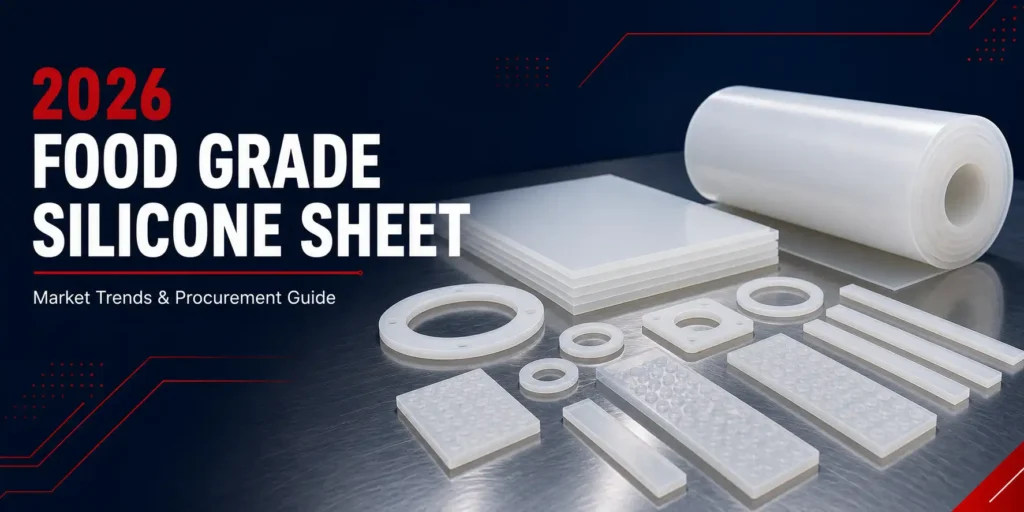
Food grade silicone rubber sheets have more stringent cleaning requirements due to their food contact properties. It is recommended that they are washed immediately after use with warm water and a food grade detergent to ensure that no food residue remains. Rinse thoroughly after cleaning to prevent the detergent flavor from affecting the taste of the food. Do not use rough brushes or abrasive cleaners during the cleaning process to avoid scratching the surface of the silicone sheet. Keep it dry when storing and preferably pack it independently to prevent cross contamination with other items.
- Sterilization Norms: It is recommended to boil with boiling water for 3-5 minutes per week (not exceeding the temperature resistance limit of the product).
- Anti-mildew Points: After cleaning can be wiped with lemon juice, natural air drying and stored in a dry environment.
3. Gas Phase Silicone Rubber Sheet
Gas phase silicone rubber sheet is mainly used in heat dissipation of electronic equipment and other fields. Due to its porous structure, it can easily absorb dust and impurities. When cleaning, you can first use compressed air to blow off the dust floating on the surface, and then use a soft brush to gently brush away the dust in the pores. Oil and other stains can be soaked in a mild detergent solution for a few moments and then rinsed with water. Care should be taken, however, to control the soaking time to prevent too much liquid penetrating the interior and destroying the internal structure. In the heat dissipation process, the air permeability of the silicone sheet should be checked regularly and if the ventilation holes are found to be blocked, they should be unblocked and cleaned in good time.
- Special Care: Wipe regularly with anhydrous ethanol to maintain adsorption performance.
- Contraindication: Do not use detergents containing silicone.
4. Insulating Silicone Rubber Sheet
Insulating silicone rubber sheets are commonly used in electrical equipment to prevent current leakage. When cleaning, always make sure the equipment is disconnected first to avoid the risk of electric shock. Use a slightly damp soft cloth to wipe the surface to remove dust and dirt, do not use too much water to prevent moisture penetration which will affect the insulating properties. For oil and other stains, a small amount of rubbing alcohol can be used, but avoid contact with large amounts of alcohol to avoid damage to the silicone material. When storing, avoid contact with other conductive materials to maintain good insulation.
- Maintenance Focus: Quarterly megohmmeter test insulation performance.
- Cleaning Note: Prohibit the use of metal wire balls, use of microfiber cloth is recommended.
5. Anti-static Silicone Rubber Sheet
Antistatic silicone rubber sheeting is most commonly used in electronics manufacturing, laboratories and other areas sensitive to static electricity. When cleaning, you can use an antistatic cleaner, but avoid using cleaners that contain alcohol, as alcohol will accelerate the drying of the silicone rubber sheet surface, reducing its antistatic properties. Wipe with gentle movements to avoid damage to the antistatic coating on the surface of the silicone rubber sheet. In the process of use, the surface resistance should be tested regularly to ensure that the antistatic performance meets the requirements. If anti-static performance is found to decline, it should be cleaned or replaced in a timely manner.
- Performance Maintenance: Monthly treatment with anti-static agent (surface resistance value 10^6-10^9Ω).
- Cleaning Prohibition: Avoid the use of cleaning agents containing oil or grease.
6. High Temperature Resistant Silicone Rubber Sheet
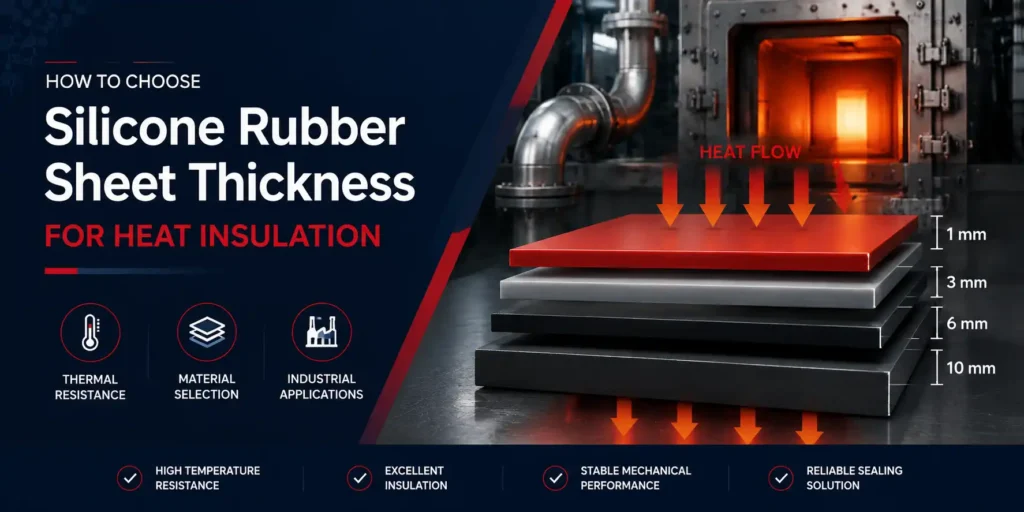
High-temperature resistant silicone rubber sheet is commonly used in high-temperature environments due to its excellent heat resistance. When cleaning, it is necessary to wait until it has cooled down to room temperature before using, to avoid sudden cold causing the silicone material to become brittle. You can use high temperature resistant cleaner and soft brush for cleaning, after cleaning, let it dry naturally or blow dry with hot air. In the process of high temperature use, it is necessary to regularly check whether the surface of the silica gel plate has any cracks or aging phenomenon caused by high temperature, if any, it should be replaced in time to ensure safety and performance.
- Temperature Control: After each use, it should be cooled down to room temperature naturally before cleaning.
- Scorch Mark Treatment: Residue above 300℃ can be removed with special high temperature cleaning paste.
7. Flame Retardant Silicone Rubber Sheet
Flame retardant silicone rubber sheeting is mainly used in places with high fire safety requirements. For daily cleaning, it is sufficient to use water and neutral detergents, avoiding the use of detergents containing chemical solvents so as not to affect the flame retardant properties. After use in special circumstances such as fire, the integrity of the silicone sheet needs to be carefully checked, and if burned or deformed, it should be replaced in a timely manner. At the same time, the flame retardant silicone sheet should be tested regularly for its flame retardant properties to ensure that it can play an effective role in critical moments.
- Maintenance Points: Check the integrity of the flame retardant layer regularly (every six months is recommended).
- Cleaning Restrictions: Do not use phosphate-containing cleaners.
Ⅲ. Conclusion
In conclusion, although different types of silicone sheets are similar in terms of maintenance and cleaning, each type also has its own characteristics and requirements. The right cleaning and maintenance methods depend on the type of silicone sheet and how it’s used. This helps to make sure it works well for as long as possible.