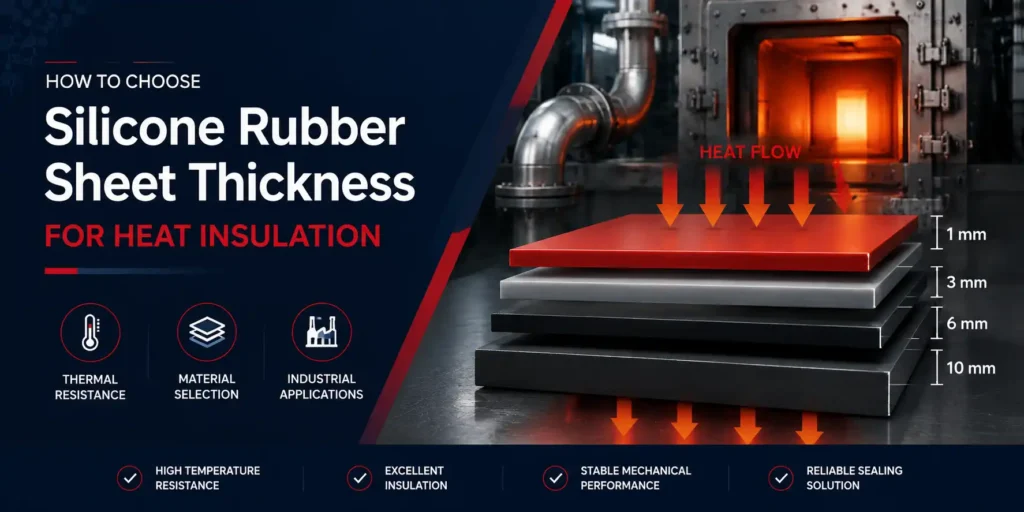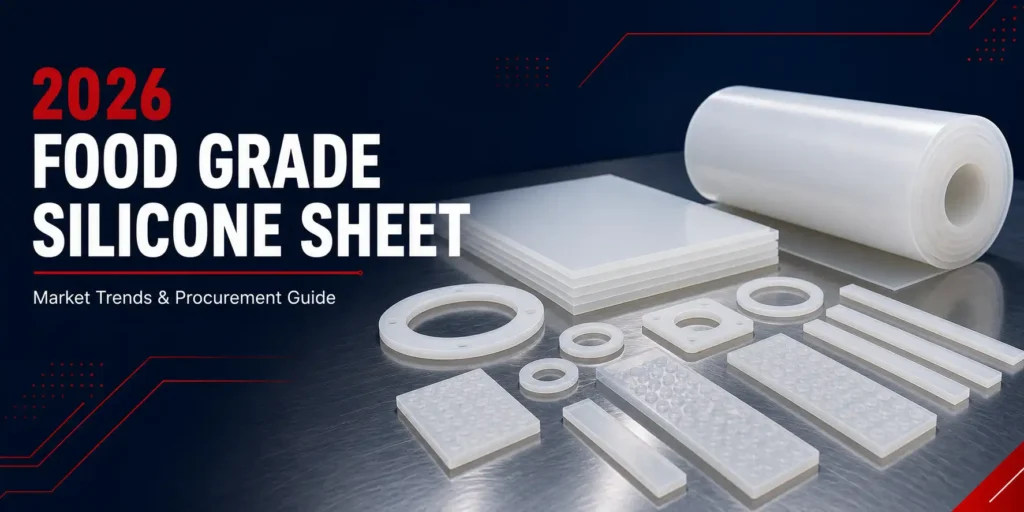
In the food processing industry, innovative applications of baking molds directly impact production efficiency and product competitiveness. As consumer demands for food safety and creative designs evolve, traditional metal molds struggle to meet diverse needs. Food-grade silicone sheets, with their heat resistance, non-toxic properties, and flexibility, are becoming the first choice for many food processing enterprises. This article will detail 10 innovative applications of food-grade silicone rubber sheets in baking molds to help enterprises improve production efficiency and product quality.
1. Customized Baking Molds
Food-grade silicone rubber sheets have excellent forming and flexibility. They can be easily shaped into various personalized baking molds according to different enterprises’ design requirements. Whether it’s complex cake molds or unique biscuit molds, food-grade silicone sheets can perfectly present them, meeting the diverse market demands and giving enterprises a unique competitive advantage. For example, food grade silicone rubber sheets’ high-precision replication to create intricate fondant shapes like petals or letters. Standard food-grade silicone rubber sheets (-60°C to 230°C) ensure flawless sugar art demolding, with smooth surfaces boosting success rates by 40% compared to metal molds.
2. Multi-Layer Stacked Baking Molds
Thanks to the heat resistance and good thermal insulation of food-grade silicone rubber sheets, multi-layer stacked baking molds can be designed. This not only makes full use of oven space and improves baking efficiency but also ensures uniform heat for each layer of food, enabling batch production while maintaining product quality consistency, especially suitable for baking bread and pastries.
3. Double-Layer Molds Combining Food-Grade and High-Temperature Resistant Silicone Rubber Sheets
In food production requiring long-term high-temperature baking, combining food-grade silicone rubber sheets with high-temperature resistant ones can create double-layer molds. The outer high-temperature resistant layer protects the inner food-grade sheet and food from high temperatures, preventing silicone sheet aging or food burning, extending mold life, and enhancing food quality and safety.
4. Shaped Cookie Molds
In delicate baking processes—such as crafting cakes or cookies decorated with sugar icing or powdered ingredients—static electricity can cause materials to adhere unevenly to molds, compromising product aesthetics and quality. Baking molds made with anti-static silicone sheets effectively prevent static buildup, ensuring even ingredient distribution for enhanced visual appeal and consistent texture.For example, for nut- or chocolate-chip cookies, anti-static sheets prevent ingredient adhesion. Tests show complex-shaped cookie demolding success rates jump from 68% to 92%, perfect for seasonal product lines.
5. Steam-Bake Hybrid Mousse Molds
Gas-phase silicone rubber sheets have a unique vapor-phase deposition property, allowing the creation of porous baking molds. These molds enable food to breathe during baking, expelling excess moisture for a crispier texture. Their excellent thermal conductivity also ensures uniform heat and better baking quality. Gas-phase silicone rubber sheets with micro-pores eliminate moisture buildup during water-bath baking, reducing mousse bottom air pockets by 80% for consistent texture.
6. 3D Chocolate Relief Templates
Food-grade silicone sheets are ideal for chocolate molds. Their softness and elasticity allow easy chocolate removal without damaging delicate shapes. Their heat resistance ensures stability during temperature changes in chocolate making, enabling repeated use and cost reduction. Developed highly transparent food grade silicone rubber sheet with 90% light transmittance to produce three-dimensional relief chocolate templates. Combined with the hot air gun fast release technology, it can produce 300+ pieces of customized relief chocolate in a single day, which is 20 times more efficient than traditional hand carving.
7. Ice Cream Cake Freezing Liners
Withstand -100°C to separate ice cream cakes from molds in 3 minutes (vs. 25 minutes for metal molds), preventing edge cracks from thermal shock.
8. Food-Grade Silicone Sheet Bread Proofing Molds
In bread proofing, food-grade silicone sheet molds prevent bread from sticking, making removal easy after proofing. Their breathability benefits yeast activity, improving bread quality and taste. They’re also easy to clean, maintaining hygiene.
9. Sanitation Scrapers (Recommended Product: Abrasion-Resistant Food-Grade Silicone Sheets)
Crafted from 2mm-thick silicone sheets into ergonomic curved scrapers with handles, these tools efficiently remove residue from baking trays. Offering 3x the wear resistance of standard rubber and backed by food-grade certification, they safely replace metal scrapers to prevent scratches on equipment coatings.
10. Composite Molds of Food-Grade and regular Silicone Rubber Sheets
Depending on baking needs, food-grade and regular silicone sheets can be combined into composite molds. For example, using regular sheets at the mold bottom can enhance structural stability while the inner food-grade layer ensures safety. This balances performance and cost-effectiveness.
In summary, food-grade silicone sheets have diverse innovative applications in baking molds, offering new solutions and opportunities for food processing enterprises. Enterprises can choose suitable silicone sheet products and application schemes based on their product and production needs, enhancing baking processes and producing higher quality and safer baked goods to gain market and consumer recognition.