Silicone rubber sheets are everywhere—quietly powering industries, enhancing safety, and even making life in the kitchen a bit easier. These flat, flexible materials are prized for their durability, temperature resistance, and versatility, making them a staple in automotive, medical, food processing, and beyond.
In this guide, we’ll dive deep into what makes silicone sheets so special, exploring their features, uses, and more. Whether you’re an engineer, a DIY enthusiast, or just curious, here’s everything you need to know about silicone rubber sheets in 2026.
What Is A Silicone Rubber Sheet?
A silicone rubber sheet is a versatile, flat material crafted from silicone rubber, celebrated for its exceptional flexibility, durability, and adaptability. These sheets excel in a range of industries, including automotive, medical, food processing, and construction, due to their ability to perform reliably in challenging environments.
Silicone rubber sheets are renowned for their superior resistance to extreme temperatures, maintaining stability in both scorching heat and freezing cold. They also withstand UV rays, ozone, and chemicals, ensuring long-lasting performance in outdoor and industrial applications. Additionally, their non-toxic nature and excellent electrical insulation properties make them a top choice for medical equipment and electrical applications.
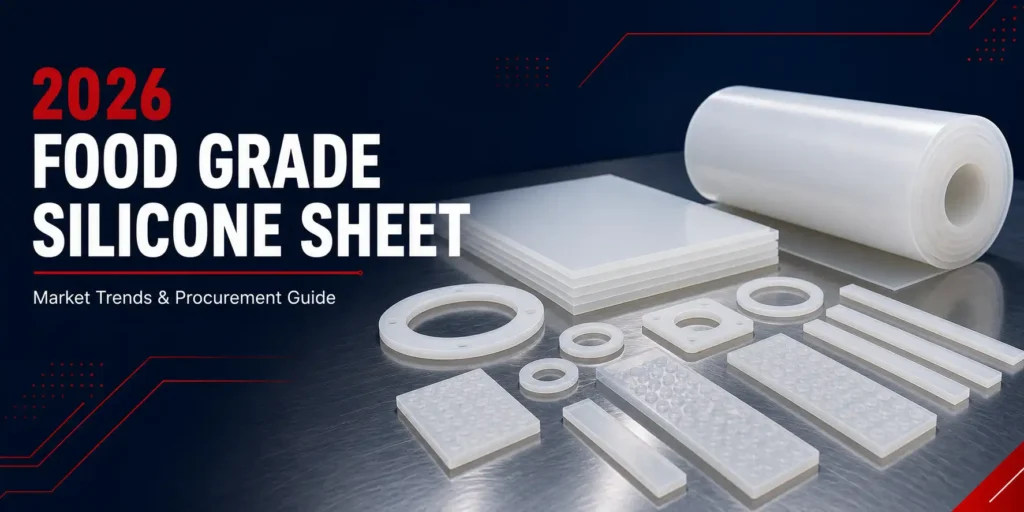
The flexibility and ease of fabrication of silicone sheets allow for customization, enabling the creation of tailored gaskets, seals, and padding to meet specific requirements. In the food industry, silicone rubber sheeting complies with FDA regulations, guaranteeing safety for direct food contact. Available in various thicknesses, sizes, and colors, these sheets provide practical and versatile solutions across multiple sectors.
Key Features of Silicone Sheets
Silicone sheets are celebrated for their unique blend of strength, flexibility, and resilience, making them indispensable across a wide range of applications—from industrial settings to everyday products. Let’s explore the standout properties that define silicone rubber sheets:
- Temperature Resistance: Silicone rubber sheets excel in extreme environments, withstanding temperatures from -103°F to 450°F. This exceptional temperature resistance makes them perfect for demanding uses like industrial ovens, freezing facilities, and high-heat sealing tasks, ensuring reliable performance under intense conditions.
- Durability: Built to last, silicone sheets offer remarkable resistance to UV light, ozone, and chemicals. This durability ensures consistent performance for both indoor and outdoor applications, even in harsh environments, making them a dependable choice for long-term use.
- Customizable Thickness: Flexibility in design is a key advantage, as silicone sheets can be tailored to meet specific project needs. Available in thicknesses ranging from 1/32 inch to 3/8 inch, such as our Commercial Grade Red/Orange – 70A silicone sheets, they offer customization options to suit unique requirements.
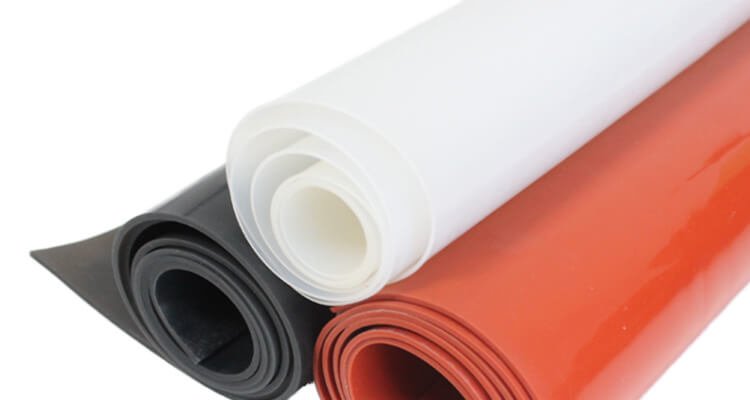
- Color Options: Silicone rubber sheets come in a variety of colors, including red, blue, brown, black, white, gray, and translucent. This range allows for both functional and aesthetic versatility, catering to diverse preferences and applications.
- Food and Medical Safety: With FDA grade silicone, these sheets meet stringent safety standards for food contact and medical uses. They are ideal for applications like food molds, non-stick baking mats, and hygienic surfaces in food processing, ensuring compliance and reliability in sensitive settings.
- Non-Toxic and Safe: The non-toxic properties of silicone sheets make them a safe choice for environments requiring strict hygiene. Whether in food-grade or medical settings, they provide peace of mind with their safe, dependable performance.
Silicone sheets combine these exceptional qualities to deliver versatile, high-performing solutions for a wide array of needs, solidifying their role as an essential material in both industrial and everyday contexts.
Available Colors of Silicone Sheet
Silicone sheets come in a wide variety of colors, including blue, red, gray, brown, translucent, white, and black, each designed to meet specific industry needs with unique benefits and applications. These colored silicone rubber sheets enhance functionality while offering an effective way to distinguish materials in industrial and commercial settings. The vibrant color options improve safety, visibility, and aesthetic appeal, simplifying identification in multi-material systems and minimizing errors in complex processes. Importantly, colored silicone sheets retain the same high-performance qualities as standard sheets, ensuring durability and reliability across all applications.
Specific Colors and Their Applications
- Red Silicone Rubber Sheets: Renowned for their heat resistance, red silicone rubber sheets excel in high-temperature environments. They are widely used for sealing, gaskets, and insulation in the automotive and aerospace industries. Their bright red hue enhances visibility, making them easy to spot in intricate setups.
- Blue Silicone Sheets: Frequently utilized in food processing and medical industries, blue silicone sheets meet stringent safety standards. The vivid blue color aids in material identification, promoting hygiene and precision in environments where cleanliness is paramount.
- Gray Silicone Rubber Sheets: Offering versatility, gray silicone sheets are ideal for sealing and insulation in construction and automotive applications. Their neutral tone blends seamlessly into diverse settings, providing a discreet yet effective solution.
- Brown Silicone Rubber Sheets: Known for their durability and flexibility, brown silicone sheets are perfect for applications needing resilience and a unique aesthetic. Their earthy tone suits natural or rustic environments, such as architectural designs or outdoor uses, while also providing excellent insulation for electrical and thermal purposes.
- Black Silicone Sheets: A top choice for industrial applications, black silicone sheets deliver exceptional durability and resistance to harsh conditions like UV rays and extreme weather. They are commonly used for outdoor sealing and in settings where both performance and aesthetics are key.
- Translucent, White, and Additional Colors: These options offer further flexibility, catering to specialized functional or design needs across various industries.
Historical Development and Versatility
The creation of colored silicone rubber sheets, such as red silicone rubber sheets and blue silicone sheets, stemmed from the demand for differentiation in industrial and safety-critical applications. Initially developed to boost visibility and ensure compliance with safety standards, the addition of pigments to silicone has since expanded the range of colors available, offering both practical utility and design flexibility. A roll of silicone in any of these colors can be cut to size, making it adaptable for custom applications.
Common Uses Across Industries
- Food-grade liners and gaskets
- Medical equipment and seals
- Automotive and aerospace components
- Insulation and weatherproofing
Performance in Extreme Conditions
Rubber silicone sheets are engineered to withstand extreme conditions, delivering unmatched reliability and durability in both commercial and industrial environments. Their availability in multiple colors not only fulfills specific functional requirements but also helps businesses maintain organized workflows, enhancing efficiency and accuracy in every application.
What Are Silicone Rubber Sheets Used For?
Silicone rubber sheets are highly versatile materials valued for their outstanding properties, including heat resistance, flexibility, and durability. These characteristics make them suitable for a wide variety of applications across multiple industries, particularly due to their ability to withstand extreme temperatures—ranging from -103°F to 450°F—in both high-heat and low-temperature environments. Below, we explore their primary uses and the industries that rely on them.
Key Applications
- Sealing and Gaskets: Silicone rubber sheets excel in creating durable, flexible seals and gaskets. Their resistance to environmental factors such as UV exposure, moisture, and chemicals ensures long-lasting performance, whether in automotive manufacturing for high-heat conditions or refrigeration for low-temperature settings.
- Insulation: These sheets are widely used as insulation for components, offering protection against temperature extremes and environmental wear.
- Protective Barriers: Their toughness and adaptability make them ideal for forming protective barriers in harsh conditions.
- Vibration Dampeners: In manufacturing, silicone rubber sheets are employed to produce vibration dampeners, reducing noise and wear in machinery.
Industry-Specific Uses
- Food Industry
FDA grade silicone rubber sheets are critical for ensuring safety and hygiene in food processing. Their non-toxic nature and compliance with FDA standards make them perfect for food contact applications, such as seals, gaskets, and liners. These sheets maintain integrity under high temperatures and repeated use, safeguarding food quality. - Pharmaceutical Industry
In pharmaceuticals, silicone rubber sheets are used for sealing and insulating equipment and components. Their chemical resistance and ability to endure temperature extremes make them a reliable choice for maintaining sterile and stable conditions. - Automotive, Electronics, and Aerospace
Industries like automotive, electronics, and aerospace utilize silicone rubber sheets for custom gaskets, seals, and insulation. Often supplied in a roll of silicone, these sheets can be cut to fit specific needs, offering flexibility in large-scale manufacturing. Their resistance to oils, chemicals, and weathering ensures durability in demanding environments.
Forms and Customization
Silicone rubber sheets come in various forms, including commercial silicone rubber sheets and rolls, and are available in different thicknesses. Thicker sheets are suited for high-stress applications, while thinner ones provide precision for flexible seals. This adaptability makes them a go-to material for tailored solutions.
Why Silicone Rubber Sheets Stand Out
The combination of heat resistance, flexibility, and resistance to environmental factors like UV, moisture, and chemicals sets silicone rubber sheets apart. Whether sealing a high-heat engine component, insulating sensitive electronics, or dampening vibrations in machinery, these sheets deliver reliable performance across diverse conditions.
In summary, silicone rubber sheets are indispensable for their ability to meet the rigorous demands of industries ranging from food and pharmaceuticals to automotive and aerospace. Their unique properties and customizable forms make them a trusted solution for sealing, insulation, gaskets, and beyond.
What Is the Maximum Temperature for Silicone Rubber Sheeting?
Silicone rubber sheets are prized for their exceptional ability to perform across a wide temperature range, making them a versatile material for industrial and commercial applications. The maximum temperature for silicone rubber sheeting reaches 450°F (232°C), with an operational range spanning from -103°F to 450°F (-75°C to 232°C). This broad range ensures reliable performance in both extreme heat and cold environments.
High-Temperature Performance and Applications
At its upper limit of 450°F, silicone rubber sheets retain their flexibility, durability, and sealing capabilities, making them ideal for high-temperature applications. These include oven seals, high-temperature gaskets, and insulation in industries such as manufacturing and automotive. Unlike other rubbers, silicone excels in maintaining its properties under intense heat, ensuring long-lasting performance where thermal resistance is critical.
Low-Temperature Versatility
On the lower end, silicone rubber sheets remain functional and flexible at temperatures as low as -103°F, making them suitable for cold storage facilities, refrigeration systems, and other low-temperature environments. This adaptability sets silicone apart from materials that struggle in freezing conditions.
Advantages Over Other Rubbers
Compared to rubbers like neoprene or nitrile, silicone rubber sheets offer superior performance in extreme temperatures. Neoprene and nitrile may become brittle in cold or lose their sealing effectiveness under heat, whereas silicone maintains its integrity across temperature fluctuations. This makes it an invaluable choice for applications requiring consistent reliability.
Thickness and Customization Options
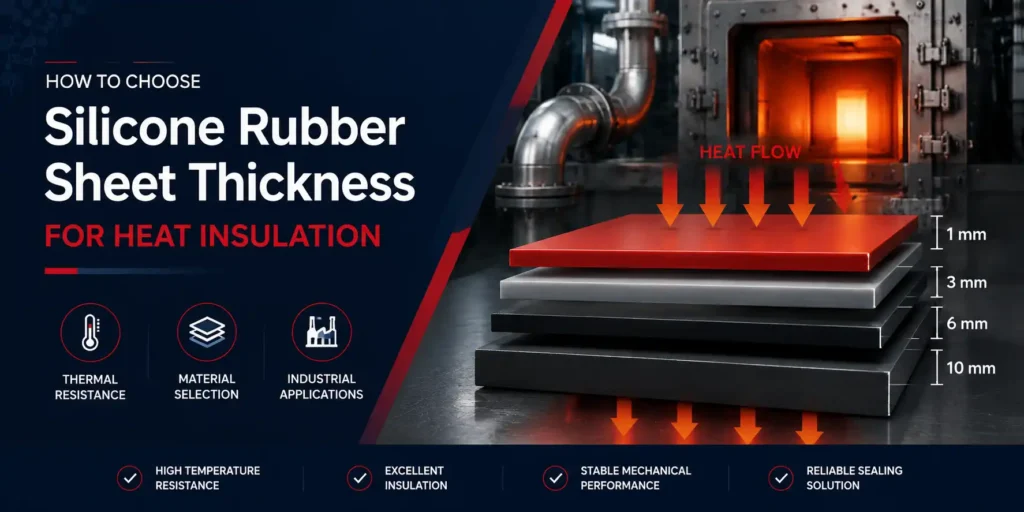
Choosing the right silicone rubber sheet thickness is key to optimizing performance. Thicker sheets provide enhanced thermal resistance and durability, ideal for high-heat environments, while thinner sheets suit precise, lightweight applications. Available as a roll of silicone, these sheets can be cut into custom sizes, ensuring a perfect fit for specific needs.
Environmental Resistance and Safety
Commercial silicone rubber sheets are designed to withstand harsh conditions, including UV rays, chemicals, and extreme temperatures, without degrading over time. Their non-toxic nature also makes them safe for sensitive applications like food processing and medical environments, where hygiene and reliability are essential.
With a maximum temperature of 450°F and a range extending down to -103°F, silicone rubber sheeting is a standout solution for industries needing heat resistance, flexibility, and durability. Its ability to outperform other rubbers, combined with customization options and environmental resilience, makes it a trusted material across diverse applications.
FDA Grade Silicone Rubber
FDA grade silicone rubber is a highly specialized material designed to comply with the strict safety and performance standards of the food and medical industries. Recognized as one of the few materials that meet rigorous FDA regulations, this silicone rubber is non-toxic, odorless, and free of harmful chemicals. These properties make it an excellent choice for applications involving direct contact with food, beverages, or medical devices. Its versatility, durability, and adherence to FDA standards have positioned it as a leading material for manufacturers worldwide.
Key Features
One of the standout characteristics of FDA grade silicone rubber is its broad temperature range, operating effectively from -80°F to 450°F. This allows it to perform reliably in both freezing and high-heat environments. For instance, food-grade gaskets, seals, and tubing made from this material maintain their structural integrity and flexibility under extreme conditions, making them indispensable in food processing plants, commercial kitchens, and pharmaceutical production facilities.
Applications
Rubber silicone sheets crafted from FDA grade silicone are widely used to create protective barriers for sealing equipment, preventing contamination, and ensuring compliance with hygiene standards. For larger-scale projects, a roll of silicone provides a cost-effective and flexible option, allowing users to cut the material into custom shapes and sizes tailored to specific needs. With various silicone rubber sheet thickness options available, it can accommodate both lightweight and heavy-duty applications, offering adaptability across industries.
Beyond Food Industry
Commercial silicone rubber sheets made from FDA grade silicone combine heat resistance, flexibility, and non-toxicity, extending their utility beyond food-related uses. These sheets are also valuable in producing medical devices, laboratory equipment, and even consumer products, where safety and performance are critical.
Are Silicone Rubber Sheets Waterproof?
Yes, silicone rubber sheets are highly valued for their waterproof and durable characteristics, making them an excellent choice for applications requiring reliable water resistance. Due to their non-porous structure, silicone rubber sheets effectively block water absorption and prevent leakage, ensuring consistent performance in demanding environments. The unique molecular structure of silicone creates a robust barrier against moisture, making it ideal for industries such as food processing, medical manufacturing, and construction, where maintaining a dry and hygienic environment is essential.
These silicone rubber sheets are widely used in sealing applications, such as gaskets and liners, to prevent water infiltration. They retain their integrity even with prolonged exposure to water, making them suitable for moisture-heavy environments. Available in various thicknesses, silicone rubber sheet thickness can be customized to meet specific needs, from thin, flexible sheets for precise seals to thicker ones for heavy-duty applications.
For larger projects, a roll of silicone provides versatility and ease of use. Businesses can cut silicone sheeting to precise dimensions, ensuring a perfect fit for waterproofing tasks. Silicone rolls are commonly utilized in industries like marine manufacturing and plumbing, where water resistance is critical, offering both flexibility and reliability for diverse applications.
Durometer of Silicone Rubber Sheets
The durometer of silicone rubber sheets is a key measure of their hardness and elasticity, significantly influencing their performance across various applications. Measured on a scale from 0 to 100—where lower values indicate softer materials and higher values denote harder ones—our silicone rubber sheets are available in a durometer range of 40A to 70A. This range provides an excellent balance of flexibility and durability, making them suitable for a wide array of industrial and commercial uses.
Understanding the Durometer Range
- 40A Durometer: At the softer end, silicone rubber sheets with a 40A durometer offer exceptional flexibility and compressibility. These properties make them ideal for applications such as seals, gaskets, and cushioning, where the material needs to deform easily under pressure. Additionally, softer silicones like 40A are often used in FDA-grade silicone applications, including medical devices and food processing, due to their flexibility and compliance with safety standards.
- 70A Durometer: On the harder end, 70A silicone rubber sheets provide increased durability and resistance to wear. This firmness makes them well-suited for industrial applications requiring greater strength, such as high-temperature gaskets and sealing in demanding environments where resilience under stress and harsh conditions is critical.
Applications and Performance
The versatility of silicone rubber across the 40A to 70A durometer range allows it to meet diverse needs. Softer silicones excel in scenarios requiring adaptability and safety, while harder silicones thrive in settings demanding toughness and longevity. Whether you’re working with colored silicone rubber sheets or commercial silicone rubber sheets, selecting the appropriate durometer ensures the right combination of strength, flexibility, and durability for your specific application.
For example:
Seals and Insulation: Softer durometers (e.g., 40A) provide a snug fit and effective sealing, while harder durometers (e.g., 70A) offer enhanced resistance to wear and tear.
High-Temperature Environments: Higher durometer silicones maintain structural integrity under extreme conditions, making them a top choice for industrial gaskets.
Choosing the Right Durometer
Selecting the correct durometer is essential to optimizing the performance of silicone rubber sheets. By aligning the material’s properties with your project’s requirements—whether it’s for seals, insulation, or heavy-duty industrial applications—you can achieve the best results. Our range of 40A to 70A silicone rubber sheets provides the flexibility to meet these needs, ensuring reliability and efficiency in every use.
What Are the Pros and Cons of Silicone Rubber Sheets?
Silicone rubber sheets are a versatile and high-performance material widely used across industries such as food processing, medical manufacturing, automotive, and construction. Renowned for their unique properties like temperature resistance, durability, and safety, they excel in applications requiring reliability and longevity. However, there are some limitations to consider when choosing silicone for specific projects.
Pros of Silicone Rubber Sheets
Temperature Resistance
Silicone rubber sheets are celebrated for their ability to endure extreme temperatures, from freezing cold to intense heat. This makes them a top choice for commercial silicone rubber sheets in industries needing materials that withstand thermal stress. For instance:
- In automotive applications, they’re used in high-temperature gaskets that resist engine heat without breaking down.
- In industrial applications, silicone seals maintain performance in fluctuating conditions, outlasting alternatives that falter.
Durability and Longevity
This resilience ensures consistent efficiency in challenging environments.
A standout benefit of silicone rubber sheets is their exceptional durability. They resist aging, weathering, and UV exposure, allowing products like a roll of silicone or a red silicone sheet to last for years without degrading. This longevity reduces replacement frequency, offering cost savings over time. Their ability to endure harsh outdoor conditions, such as rain or sunlight, makes them ideal for industrial and construction uses.
Safety and Hygiene
Silicone rubber sheets are non-toxic and comply with strict safety standards, making them perfect for applications prioritizing cleanliness. FDA grade silicone and food grade silicone are staples in food processing and medical applications, meeting rigorous regulations. Their non-reactive nature prevents contamination, supporting uses like:
- Medical tubing
- Food-grade baking mats
This ensures safety and hygiene, providing confidence in sensitive settings.
Flexibility and Versatility
Highly adaptable, silicone rubber sheets come in various silicone rubber sheet thicknesses to suit diverse needs. Their flexibility allows molding into custom shapes without losing integrity, unlocking endless design options. Colored silicone rubber sheets, such as red silicone sheets and blue silicone sheets, blend functionality with aesthetics, aiding identification and branding in industrial and commercial environments.
Resistance to Chemicals and Water
With excellent chemical resistance and water resistance, silicone rubber sheets shine in sealing applications and insulation. Their inertness prevents degradation from harsh substances or moisture, ensuring reliability in tough conditions. This makes them a practical choice for food-grade applications, where ease of cleaning enhances their value.
Cons of Silicone Rubber Sheets
Higher Initial Investment
Silicone rubber sheets, including red silicone sheets and food grade silicone, often carry a higher initial investment compared to other materials. However, their durability and longevity offset this cost by minimizing replacements, making them cost-effective for applications where quality is critical.
Limited Structural Strength
While silicone rubber sheets offer remarkable flexibility, they lack the structural strength needed for heavy load-bearing tasks. For such uses, stronger alternatives may be necessary. Yet, thicker rubber silicone sheets can boost durability, fitting projects where sealing trumps rigidity.
Tear Resistance
Though durable in typical scenarios, silicone rubber sheets may falter under extreme stress, requiring careful handling to avoid tears. Their tear resistance can be compromised by sharp edges or excessive force. Selecting the right silicone rubber sheet thickness and staying within design limits ensures optimal performance.
Silicone rubber sheets combine flexibility, resilience, and safety, making them a top pick for industrial applications, medical manufacturing, and food processing. From thriving in high-temperature settings to meeting FDA standards, they deliver unmatched performance. Customizable in colors, thicknesses, and forms, they adapt to any project’s needs, cementing silicone as a trusted material across industries.