
Silicone Sheets for IVF Incubators – What Labs Need to Know

A Deep Dive into the Critical Material Safeguarding Embryo Development Editor’s Note: This article expands upon a popular technical guide, providing enhanced scientific context, practical compliance considerations, and detailed specifications for an international audience of IVF professionals. The Unseen Guardian of Embryo Viability In the world of In Vitro Fertilization (IVF), success is measured in […]
Is Silicone Rubber Sheet Waterproof?
A Procurement Professional’s Question When sourcing materials for gaskets, seals, or protective components, a critical question drives your evaluation: “Will this material reliably prevent failure in wet environments?” For countless applications, from outdoor enclosures to food processing lines, waterproofing isn’t a feature—it’s the foundation of product longevity and safety. As a procurement specialist, you balance […]
How Silicone Rubber is Manufactured
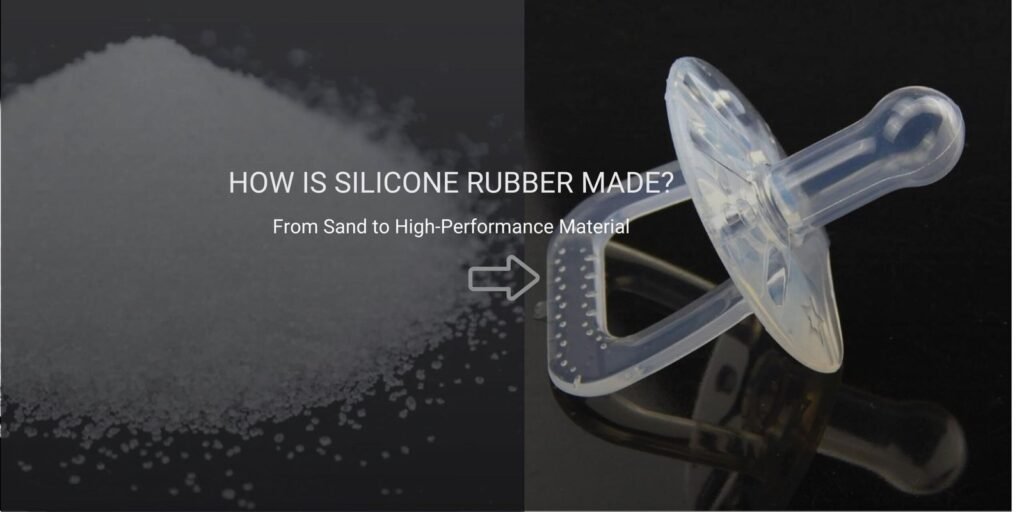
Silicone rubber is a material of quiet ubiquity. We rely on its flexibility in kitchen utensils, its durability in automotive gaskets, its biocompatibility in medical tubing, and its stability in aerospace seals. It performs reliably across extreme temperatures, resists environmental degradation, and maintains its properties for years. This combination of traits makes it indispensable to […]
How Silicone Sheets Make Perfect Vacuum Lamination Possible
In every vacuum laminating or thermoforming system—whether crafting durable solar panels, pristine architectural glass, elegant wood veneers, or sophisticated electronic modules—there lies a silent, unsung hero. The silicone rubber sheet, a humble yet critical component, is the indispensable interface between high-precision equipment and your flawless finished product. This heat-resistant, elastic, and non-stick membrane is the […]
What Is a Silicone Rubber Sheet?
Silicone rubber sheet is one of the most trusted materials in modern industry. From sealing high‑temperature machinery to lining food‑processing equipment, its ability to perform under extreme conditions makes it indispensable.If you’ve ever wondered “What is a silicone rubber sheet and why is it so widely used?”, this guide breaks it down clearly — covering its definition, structure, properties, and real‑world applications. What Is a Silicone Rubber Sheet A silicone rubber sheet is a flat sheet of solid silicone elastomer, a synthetic rubber made from polysiloxane (polymers with a silicon‑oxygen backbone). It’s produced in rolls, plates, or custom‑cut gaskets and is designed to withstand temperatures, chemicals, and weather conditions that destroy other materials. Physical form:- Thickness range: 0.3 mm – 25 mm- Hardness range: 30A – 80A (Shore A)- Color options: red oxide, grey, white, translucent, custom colors- Available as plain, adhesive‑backed, or fabric‑reinforced sheets Essentially, it’s a durable, flexible barrier that seals, protects, and insulates components in harsh conditions. Composition + Manufacturing at a Glance Silicone rubber sheeting starts with high‑purity silicone polymer, reinforced with:- Silica filler: adds mechanical strength- Catalyst (curing agent): platinum or peroxide for cross‑linking- Color pigment, flame retardant, and performance additives The compound is mixed, calendered into sheet form, and cured using heat and pressure — a process known as vulcanization —to achieve stable physical and thermal properties. Key Properties of Silicone Rubber Sheet Property Value / Description Practical Benefit Temperature Range –60 °C to +230 °C (brief up to 300 °C) Handles extreme heat & cold Flexibility & Elasticity Retains shape under stress Excellent sealing & vibration control Electrical Insulation > 20 kV/mm dielectric strength Safe for electronic and power use Chemical Resistance Resists oils, acids, ozone, UV Ideal for outdoor & industrial settings Non‑Toxic & Odorless Complies with FDA standards Food & medical compatibility Low Compression Set Maintains seal shape over time Long service life Main Uses of Silicone Rubber Sheets Silicone rubber’s combination of heat, chemical, and electrical resistance has earned it a place across dozens of sectors.Here are the most common applications: 1) Industrial Sealing and Gasketing Used for high‑temperature machinery, furnace doors, boilers, and autoclaves to prevent leaks and pressure loss. 2) Electrical & Electronic Insulation Acts as dielectric spacers and heat insulation pads in transformers, inverters, and EV battery systems. 3) Food & Beverage Processing FDA food‑grade sheets serve as oven door seals, baking liners, or anti‑stick pads for processing equipment. 4) Medical & Pharmaceutical Equipment Platinum‑cured silicone sheets withstand steam, sterilization, and chemicals, used for autoclaves and biotech systems. 5) Automotive & Transportation Heat‑resistant gaskets, engine bay insulation, and vibration reduction pads under extreme temperatures. 6) Aerospace and Defense Provides flame retardant and high‑altitude sealing where weight and performance balance matter. 7) General Fabrication & DIY Easily cut into custom shapes for crafts, home repairs, and light engineering projects. Silicone Sheet vs Other Rubbers Property Silicone Rubber EPDM / NBR / Neoprene […]
What Are the Uses of Silicone Rubber Sheet?
Silicone rubber sheeting remains one of the most versatile and indispensable materials in modern engineering. From the battery packs of the latest electric vehicles to the hygienic seals in pharmaceutical processing, this elastomer performs where others fail. If you are asking, “What is silicone rubber sheet used for?” or trying to decide if it’s the […]
What is a High Temperature Silicone Rubber Sheet?
The Engineering Solution for Extreme Environments In industries ranging from aerospace to food processing, material failure due to excessive heat is not just an inconvenience—it’s a costly downtime risk. This is the challenge that high-temperature silicone rubber sheets are engineered to solve. But what exactly defines this material, and how does it differ from standard […]
High Temperature Silicone Rubber Sheets – Complete Guide to Properties, Uses & Selection (2026)
Whether used for sealing, insulation, or cushioning, silicone sheeting is rapidly becoming the go‑to material in modern manufacturing, food processing, electronics, and automotive engineering. This updated guide for 2025 explains what makes high‑temperature silicone rubber sheets unique, where they are used, and how to choose the right grade for your application. 1. What Is a High‑Temperature Silicone Rubber […]
Top 10 Industrial Silicone Rubber Sheet Applications for 2025‑2026
Silicone rubber sheets have solidified their role as a cornerstone of modern manufacturing, renowned for their exceptional resistance to extreme temperatures, harsh chemicals, and prolonged mechanical stress. As global industries pivot towards automation, electrification, and greener practices, innovative applications for this versatile material are rapidly emerging. Here are the top 10 applications of industrial-grade silicone […]
How to Glue Silicone Rubber Sheet
Have you ever struggled with glue simply peeling off whenever you try to bond silicone rubber sheets? This isn’t your fault—it stems from the inherent properties of silicone itself. Silicone’s surface is chemically inert and has low surface energy, which gives it excellent anti-aging, waterproof, and high-temperature resistance. However, this also makes it “slippery” and difficult for […]
Where to Buy Silicone Rubber Sheets
Sourcing high-quality silicone rubber sheeting depends on finding a reliable partner who can ensure consistent performance, precise specifications, and on-time delivery. This guide will walk you through the key purchasing channels and supplier selection criteria, and explains why Lsane has become the preferred choice for companies worldwide. Understanding Your Requirements Before You Buy Before searching […]
How to Make Silicone Rubber Sheet
Silicone rubber sheets are critical components in thousands of industrial and consumer products, from sealing gaskets and vibration dampers to medical and food-grade parts. But what goes into making them? This guide provides a detailed look at the entire manufacturing process, from raw materials to the finished sheet—including production methods, equipment used, and key factors […]