The Engineering Solution for Extreme Environments
In industries ranging from aerospace to food processing, material failure due to excessive heat is not just an inconvenience—it’s a costly downtime risk. This is the challenge that high-temperature silicone rubber sheets are engineered to solve.
But what exactly defines this material, and how does it differ from standard rubber? If you need a material that maintains flexibility, mechanical integrity, and sealing capabilities when exposed to scorching heat (up to 300°C) or freezing cold, high-temperature silicone is likely your answer. This guide breaks down its chemical composition, technical specs, and real-world applications to help you make an informed engineering decision.
What is a High Temperature Silicone Rubber Sheet?
The Technical Definition
A high-temperature silicone rubber sheet is a synthetic elastomer based on polysiloxane, specifically formulated with thermal stabilizers (often Iron Oxide, which gives it a characteristic red or orange hue) to withstand extreme and repeated thermal cycling.
Unlike natural rubber or standard synthetics like EPDM or Neoprene—which can become brittle and crack above 120°C—high-temperature silicone maintains its elastomeric properties. It is typically manufactured through a High-Temperature Vulcanization (HTV) process, resulting in a material that is chemically inert, highly flexible, and durable.
Is Red Silicone the Only Option?
While iron oxide red is the industry standard for high-temperature industrial silicone, these sheets are also available in gray, blue, or white. These alternative colors often indicate specialized formulations, such as those compliant with FDA regulations for food contact. However, the red variant is universally recognized for its reliable heat resistance up to 260°C-300°C.
Critical Specifications & Temperature Ranges
A common question we hear is: “What’s the maximum temperature it can handle?” Here is the industry-standard data for premium high-temperature silicone sheets:
- Continuous Working Temperature: -60°C to +230°C (-76°F to +446°F)
- Intermittent (Peak) Temperature: Up to +300°C (+572°F) for short durations
- Hardness (Durometer): Typically 60 Shore A (similar to a car tire), but available from 40A (softer) to 80A (harder)
- Tensile Strength: Generally between 5 MPa to 10 MPa
- Elongation at Break: 300% to 500% (indicating high flexibility)
Pro Tip: Always consult the Technical Data Sheet (TDS). This is crucial because general-purpose silicone is typically rated to 200°C, while specialized “High Temp” grades are rated for 260°C or 300°C.
Key Properties Beyond Heat Resistance
Why choose silicone over other heat-resistant materials like Viton (FKM)? The answer lies in its unique combination of properties.
- Excellent Compression Set: When compressed as a gasket, silicone exerts a consistent sealing force and recovers its shape remarkably well even after prolonged exposure to high heat, preventing leaks and ensuring long-term seal integrity.
- Chemical & Environmental Resistance: It offers high resistance to ozone, UV radiation, and weathering, making it ideal for outdoor applications. It also withstands moderate chemicals, water, and some oils (though it is not recommended for submerged fuel or strong solvent applications).
- Superb Electrical Insulation: Silicone is an excellent dielectric insulator, making it a safe and reliable choice for high-voltage environments.
- Non-Toxic & Biologically Inert: Many high-temperature silicones are fungus-resistant and odorless. Specially formulated grades are safe for food and medical applications, as they do not off-gas toxic fumes like some organic rubbers when heated.
Common Applications of High Temp Silicone Sheets
Where is this versatile material actually used? Here are the top sectors:
- Industrial Gasketing & Sealing: The most common application. Used for creating custom gaskets for furnaces, boilers, ovens, heat exchangers, and autoclaves where standard rubber gaskets would degrade.
- Automotive & Aerospace: Employed for under-the-hood seals, spark plug boots, and vibration dampening pads located near hot engines or exhaust systems.
- Packaging & Heat Press Machines: Serves as a cushion pad in heat transfer printing (e.g., for t-shirts and mugs) and as sealing bars in packaging machinery. The silicone ensures even heat distribution and offers inherent non-stick properties.
- Electrical Insulation: Used as protective barriers in electrical cabinets, switchboards, and as insulating mats for high-voltage components.
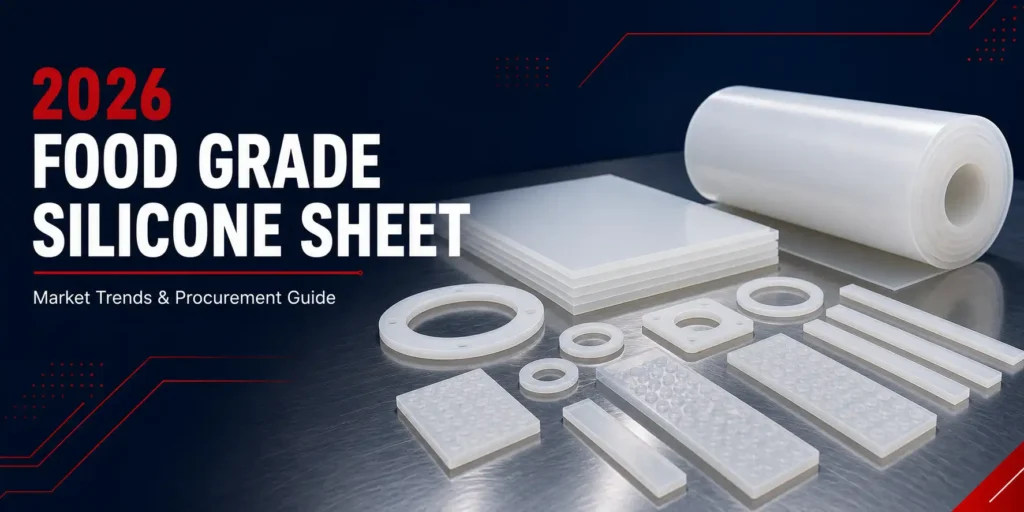
- Food Processing (FDA Grades): Note: Not all red silicone is food-safe. Specially formulated white or translucent high-temp silicone is used for baking mats, oven door seals, and conveyor belts in food factories.
How to Choose the Right Sheet? (Buying Guide)
To ensure optimal performance and longevity, consider these three key factors before purchasing:
- Temperature Profile: Determine if your application involves continuous exposure at 200°C or short-term spikes up to 300°C. For extreme spikes, ensure you select a “High Heat” grade, not a “General Purpose” one.
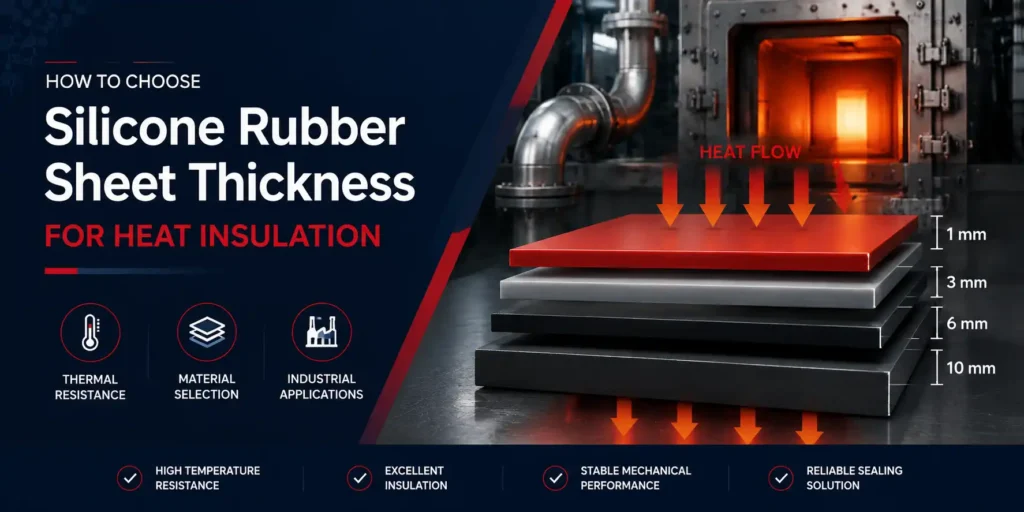
- Thickness & Hardness:
- 1mm – 3mm: Ideal for precision gaskets and electrical insulation.
- 4mm – 6mm: Best for flange gaskets with uneven surfaces or for vibration dampening.
- 10mm+: Used for heavy machinery mounting pads.
- Operating Environment: Will the sheet be exposed to oils, fuels, or specific chemicals? While resistant to many media, standard silicone can swell in fuel-heavy environments. In such cases, Fluorosilicone or Viton might be a better, though more expensive, choice.
Reliable Protection Against Thermal Failure
A High Temperature Silicone Rubber Sheet is more than just a piece of red rubber; it is a critical engineering component that safeguards your equipment against thermal failure. Whether you are sealing a steam pipe, cushioning a heat press, or insulating sensitive electronics, choosing the right high-temp silicone ensures operational longevity, safety, and efficiency.
Ready to secure your projects against extreme heat?
At Lsan, we specialize in premium-grade industrial silicone sheets designed for demanding environments.
- Standard & Custom Sizes Available
- Certified Continuous Heat Resistance up to 260°C
- Expert Technical Support & Fast Shipping
Click Here to Browse Our High Temp Silicone Collection and protect your equipment today.