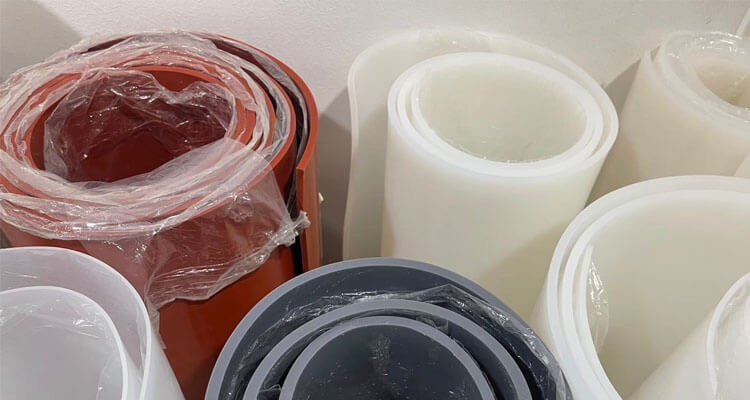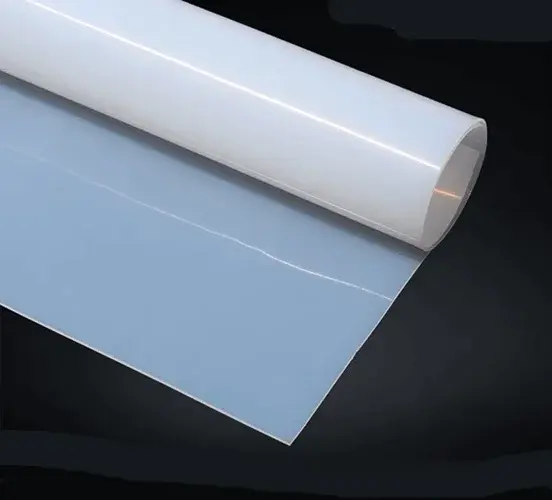
Buyers searching for food contact materials usually meet the same confusion: dozens of rubber and polymer sheets claim to be food safe, yet food safety rules decide which of them can legally touch food. Food-grade silicone sheet is one of the few materials that passes those rules across almost every food sector, which is why processors, packaging plants and kitchenware brands keep asking what it can actually be used for and where it should be specified.
Food grade silicone sheet is used for equipment gaskets and seals in food and beverage production, conveyor liners and anti-stick surfaces, baking mats and oven seals, kitchenware products, heat seal pads and vacuum gaskets in packaging machinery, pharmaceutical and laboratory seals, and everyday consumer items such as pot mats and placemats. In short, it serves any application where a flexible, non-toxic rubber layer must contact food directly or work reliably in hot, cold or washed-down environments.

The sections below break down each use area and show how to match the sheet to it.
Why Industries Choose Food Grade Silicone Sheet
Industries choose this material because it combines certified food contact compliance with chemical inertness, a working range of about -60 to 230 degrees C and a naturally non-stick surface, properties no ordinary rubber offers in one sheet. According to the material science behind Silicone Rubber Parts, its Si-O-Si molecular backbone provides thermal and chemical stability that organic rubbers cannot match.
| Specification | Typical Range |
| Thickness | 0.5 mm to 10 mm, up to 20 mm on request |
| Temperature range | -60 degrees C to 230 degrees C |
| Hardness | 40 to 80 Shore A |
| Colors | Translucent, white, red, blue, gray |
| Formats | Rolls, sheets, die-cut parts |
| Certifications | FDA 21 CFR 177.2600, LFGB, RoHS |
Key Properties Behind Its Uses
Each core property maps directly to a use. Thermal stability allows one material to serve freezers, ovens and steam lines. Chemical inertness means no odor, taste, or substance transfers into food, even with acidic products or hot oils. The non-stick surface releases dough, sugar, and confectionery cleanly. Mechanical resilience lets cut gaskets survive thousands of compression cycles without losing sealing force.
Where It Can and Cannot Be Used
The sheet suits direct and indirect food contact, repeated thermal cycling, wet cleaning and CIP washdown environments. It is not the right choice where surfaces soak in mineral or industrial oils for long periods, since standard silicone swells in petroleum-based media, and it must never touch open flames or grill elements. Knowing both boundaries prevents most field failures.
Uses in Food and Beverage Production
In food and beverage production, the sheet is used for equipment gaskets and seals, conveyor and transfer surface liners, and baking components such as mats, oven seals and tray pads. Dairy, brewing, meat and bakery plants all specify the same certified material with different hardness and thickness grades.
Equipment Gaskets and Seals
Tank flanges, mixer lids, pump housings and pipe connections are the classic applications. Cut gaskets handle hot oil splash, acidic products and repeated CIP cleaning without swelling or degrading, keeping sealing force stable over years of service. Softer compounds near 40 to 50 Shore A suit lids opened frequently, while harder grades hold shape on static flanges.
Conveyor Liners and Anti-Stick Surfaces
Lining conveyor sections, chutes and transfer tables solves sticking and wear problems at once. Sticky products such as dough and caramel release cleanly, so lines run longer between cleaning stops and waste less product. The liners also protect stainless surfaces from abrasion and fat absorption.
Baking Mats, Oven Seals and Kitchenware
Industrial bakeries use the sheet as pan liners and oven door seals because it survives continuous baking temperatures without fumes or deformation. The same certified material forms the base for consumer kitchen products: baking mats, pot mats, trivets and utensil pads, which kitchenware brands die-cut and brand for retail.
Uses in Food Packaging
In packaging, food grade silicone sheet serves as heat seal pads on sealing machines and gaskets on vacuum packaging equipment, where it withstands repeated high-temperature contact and pressure. Fast packaging cycles make compression recovery and clean release the key properties.
Heat Seal Pads and Vacuum Packaging Equipment
Heat sealers rely on silicone pads as the resilient backing that presses film against the sealing bar, producing airtight seams thousands of times per shift. Even thickness and thermal stability keep seal quality consistent, while the non-stick surface stops melted film from adhering. Vacuum chamber machines and tray sealers use cut gaskets to hold vacuum through repeated cycles.
Release Liners and Separation Pads
Beyond sealing, the sheet works as release liners on forming stations, separator pads between stacked trays and protective linings inside transport tubs. Any packaged product that needs a clean, food-safe sliding or separating surface can use the certified sheet as a low-friction interface.
Uses Beyond Direct Food Contact
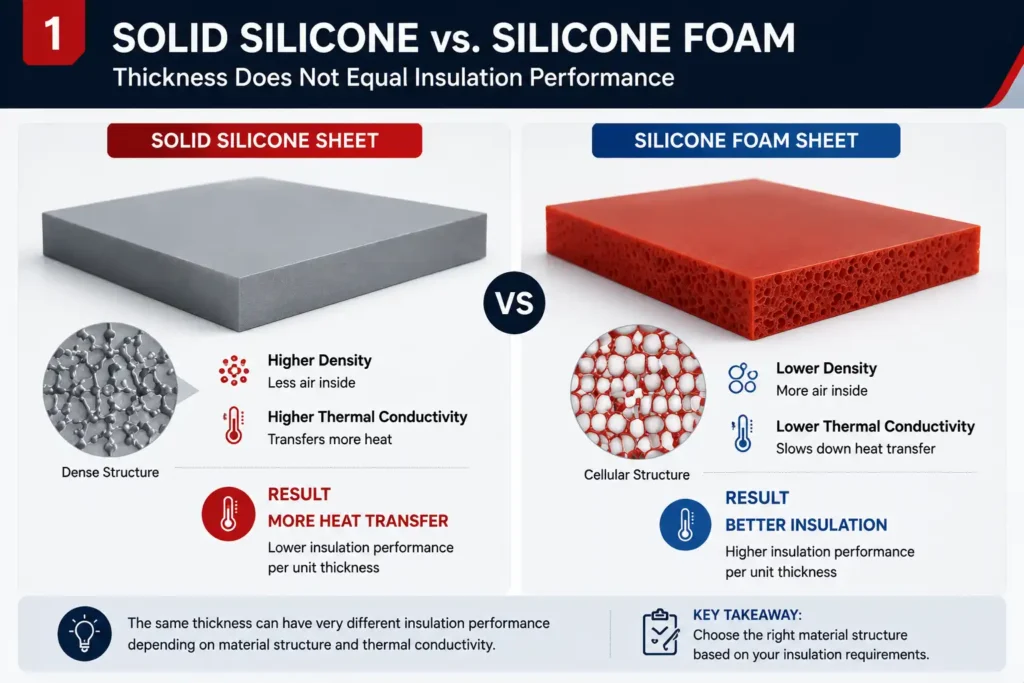
Outside food production, Silicone Rubber Sheets serves pharmaceutical and laboratory equipment and a wide range of consumer kitchen products. Compliance-grade purity makes these extensions natural, not incidental.
Pharmaceutical and Laboratory Uses
Pharmaceutical plants use the sheet for equipment seals, autoclavable gaskets and cleanroom barriers, since the material tolerates sterilization and repeated contact cycles. Diaphragms and sterile contact pads cut from certified sheet keep high-purity environments sealed.
Home and Consumer Products
Kitchenware brands convert the sheet into pot mats, non-slip placemats, food-safe cutting surfaces and container seals. For these buyers, certification documents are not optional: retail channels increasingly demand FDA or LFGB proof with every shipment.
How to Match the Sheet to Your Use Case
Matching comes down to two steps: confirm certifications and formats with the supplier, then select hardness, thickness and color for the actual duty. A compliant sheet specified incorrectly will still fail in service.
Certifications and Formats to Request
For the United States, require compliance with FDA 21 CFR 177.2600, the regulation for rubber articles in repeated food contact. For Europe, require conformity with EC 1935/2004. Ask for a certificate of analysis tied to your production batch and keep it on file for audits. Formats cover rolls for high-volume lining, sheets for fabrication and die-cut parts for gasket series; Platinum cured silicone sheet is preferred for its purity.
Hardness, Thickness and Color Selection
Select 40 to 50 Shore A for dynamic lids and flexible liners, 60 to 70 for standard gaskets and pads, and harder grades for high-wear positions. Thin sheets around 1 to 2 mm suit liners, while those 3 mm and above suit gaskets. Color is functional: white reveals residue during washdown checks, and blue is the convention on food lines because no natural foods are blue, with metal-detectable blue compounds adding an extra foreign-object safeguard.

Frequently Asked Questions
Q1: Can food grade silicone sheet be used with oily or fatty foods?
Yes. Contact with butter, meat fats and cooking oils is acceptable, and the sheet does not absorb odors from them. Long-term immersion in mineral or petroleum-based industrial oils is different and calls for nitrile rubber instead.
Q2: How do I know if a silicone sheet is really food grade?
Ask for certification documents, not verbal claims: an FDA 21 CFR 177.2600 or LFGB certificate tied to your batch, plus third-party test reports. A pinch test that leaves white marks or a plastic smell when warmed indicates cheap fillers and likely a non-certified sheet.
Q3: What is the difference between food grade and medical grade silicone?
Food grade silicone meets food contact regulations such as FDA 21 CFR 177.2600, while medical grade silicone passes stricter biocompatibility testing for body contact. Medical grade can serve food uses, but food grade does not qualify for medical applications.