Silicone rubber sheet is one of the most trusted materials in modern industry. From sealing high‑temperature machinery
to lining food‑processing equipment, its ability to perform under extreme conditions makes it indispensable.
If you’ve ever wondered “What is a silicone rubber sheet and why is it so widely used?”, this guide breaks it down clearly —
covering its definition, structure, properties, and real‑world applications.
What Is a Silicone Rubber Sheet
A silicone rubber sheet is a flat sheet of solid silicone elastomer, a synthetic rubber made from polysiloxane (polymers with a
silicon‑oxygen backbone).
It’s produced in rolls, plates, or custom‑cut gaskets and is designed to withstand temperatures, chemicals, and weather conditions
that destroy other materials.
Physical form:
- Thickness range: 0.3 mm – 25 mm
- Hardness range: 30A – 80A (Shore A)
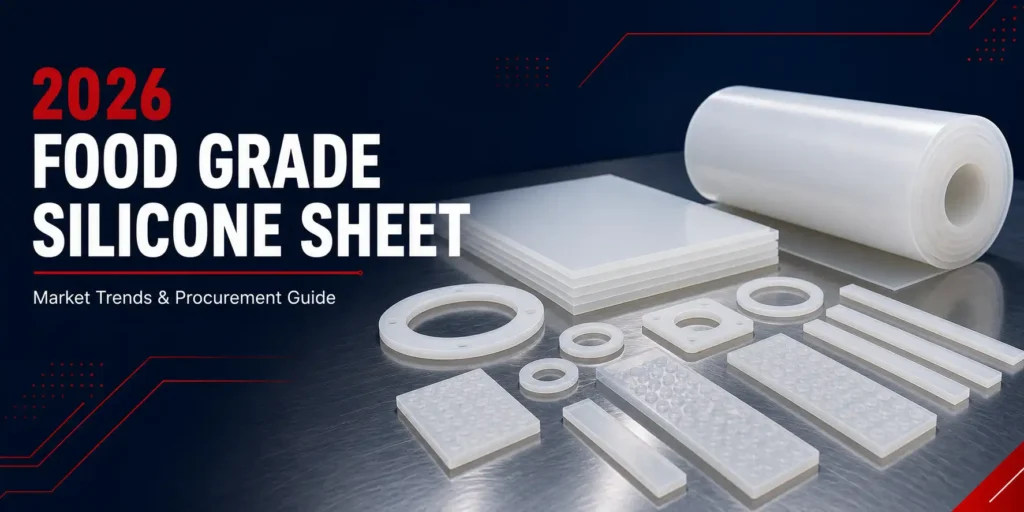
- Color options: red oxide, grey, white, translucent, custom colors
- Available as plain, adhesive‑backed, or fabric‑reinforced sheets
Essentially, it’s a durable, flexible barrier that seals, protects, and insulates components in harsh conditions.
Composition + Manufacturing at a Glance
Silicone rubber sheeting starts with high‑purity silicone polymer, reinforced with:
- Silica filler: adds mechanical strength
- Catalyst (curing agent): platinum or peroxide for cross‑linking
- Color pigment, flame retardant, and performance additives
The compound is mixed, calendered into sheet form, and cured using heat and pressure — a process known as vulcanization —
to achieve stable physical and thermal properties.
Key Properties of Silicone Rubber Sheet
| Property | Value / Description | Practical Benefit |
|---|---|---|
| Temperature Range | –60 °C to +230 °C (brief up to 300 °C) | Handles extreme heat & cold |
| Flexibility & Elasticity | Retains shape under stress | Excellent sealing & vibration control |
| Electrical Insulation | > 20 kV/mm dielectric strength | Safe for electronic and power use |
| Chemical Resistance | Resists oils, acids, ozone, UV | Ideal for outdoor & industrial settings |
| Non‑Toxic & Odorless | Complies with FDA standards | Food & medical compatibility |
| Low Compression Set | Maintains seal shape over time | Long service life |
Main Uses of Silicone Rubber Sheets
Silicone rubber’s combination of heat, chemical, and electrical resistance has earned it a place across dozens of sectors.
Here are the most common applications:
1) Industrial Sealing and Gasketing
Used for high‑temperature machinery, furnace doors, boilers, and autoclaves to prevent leaks and pressure loss.
2) Electrical & Electronic Insulation
Acts as dielectric spacers and heat insulation pads in transformers, inverters, and EV battery systems.
3) Food & Beverage Processing
FDA food‑grade sheets serve as oven door seals, baking liners, or anti‑stick pads for processing equipment.
4) Medical & Pharmaceutical Equipment
Platinum‑cured silicone sheets withstand steam, sterilization, and chemicals, used for autoclaves and biotech systems.
5) Automotive & Transportation
Heat‑resistant gaskets, engine bay insulation, and vibration reduction pads under extreme temperatures.
6) Aerospace and Defense
Provides flame retardant and high‑altitude sealing where weight and performance balance matter.
7) General Fabrication & DIY
Easily cut into custom shapes for crafts, home repairs, and light engineering projects.
Silicone Sheet vs Other Rubbers
| Property | Silicone Rubber | EPDM / NBR / Neoprene |
|---|---|---|
| Max Temp | 250–300 °C | 120–150 °C |
| Cold Flexibility | Excellent (–60 °C) | Limited (~–30 °C) |
| Weather & UV Resistance | Outstanding | Moderate |
| Cost | Mid‑High | Low‑Medium |
| Service Life | 8–10 years typical | 3–5 years |
| Food Safety | Approved (FDA) | Limited |
👉 Silicone outperforms other rubbers where temperature, cleanliness, and longevity are critical.
Selecting the Right Silicone Rubber Sheet
Before buying, match material specifications to your application:
| Factor | Recommendation |
|---|---|
| Temperature Exposure | Define both continuous and peak conditions |
| Hardness (Shore A) | 30A–40A for soft seals; 60A–70A for mechanical gaskets |
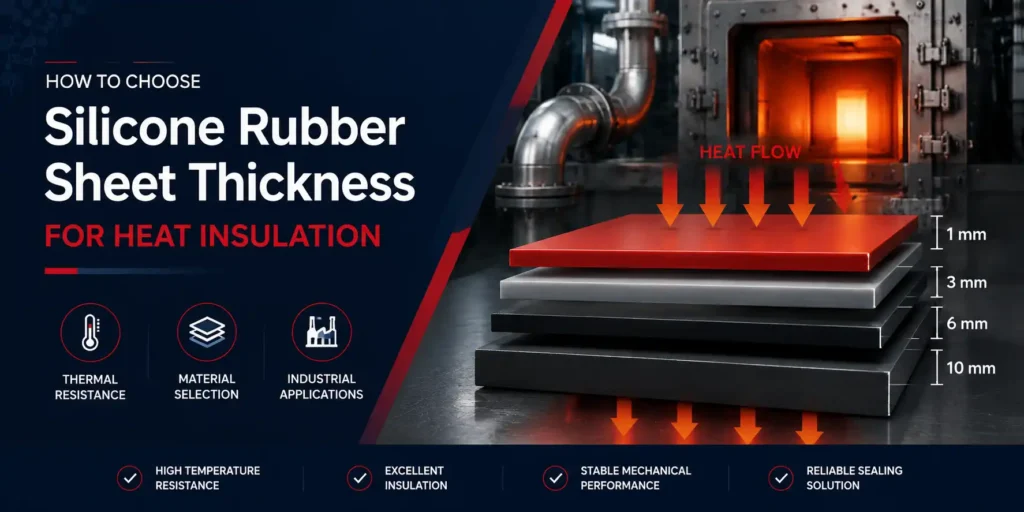
| Thickness | 0.5 mm–10 mm common; thicker for pad/cushion use |
| Reinforced or Plain | Fabric‑inserted resists stretching and pressure |
| Certification | Require FDA, ROHS, UL 94 V‑0 where necessary |
| Color | Red oxide for heat resistant; translucent for clean rooms |
Pro tip: If continuous temperature > 200 °C, choose a high‑temperature grade platinum‑cured sheet for maximum stability.
Where to Buy – Choosing the Right Supplier
Not all silicone sheets are equal. Consistency, tolerance, and raw‑material quality depend on manufacturing control.
Lsane is a specialized manufacturer offering custom‑engineered silicone rubber sheets for global OEM and industrial applications.
| Lsane Capability | Customer Benefit |
|---|---|
| In‑house mixing & vulcanization lines | Traceable quality control |
| 100 % pure silicone compound | Superior durability & performance |
| Certified Grades (FDA, ROHS, UL 94, ISO 9001) | Meets industry regulations |
| Custom Range | Hardness, thickness, color, backing to spec |
| Global Technical Support | Fast response + engineering team |
Whether you need industrial insulation or food‑grade sealing, Lsane delivers reliable silicone rubber sheet solutions that withstand heat, pressure, and time.
Frequently Asked Questions
Q1: What’s the temperature limit of a silicone rubber sheet?
Continuous operation –60 °C to +230 °C, short bursts up to 300 °C.
Q2: Is it safe for food contact?
Yes, food‑grade and platinum‑cured silicone meet FDA/EU standards.
Q3: Can it be used outdoors?
Absolutely – silicone resists UV, ozone, and rain without hardening or cracking.
Q4: What colors are available?
Red oxide (high temp), grey, white, black, blue, and translucent.
Q5: How long does it last?
Typically 8–10 years with minimal performance loss, depending on environment.
Conclusion – Why Silicone Rubber Sheet Matters
A silicone rubber sheet is not just another type of rubber; it’s an engineered solution delivering heat resistance, chemical stability, and long‑term reliability.
From factory floors to medical labs, its performance saves maintenance costs and ensures equipment safety.
For premium and customized silicone sheet requirements, work with a manufacturer that understands your application needs.
Contact Lsane today for material recommendations or free sample evaluation — and discover why engineers trust our silicone rubber sheets worldwide.